

Your pain is real.
But what if we've been looking in the wrong place?
1 in 5 people experience chronic pain. Are you one of them?
It's not "all in your head." But your brain may play a bigger role than you think.
Chronic pain can continue long after an injury has healed, even when medical tests don't fully explain what's happening. That doesn't mean your pain isn't real.
Pain Reprocessing Therapy (PRT) is an evidence-based approach that helps retrain how the brain interprets certain pain signals, offering a new path toward relief.



Research is changing how we think about chronic pain.
In a randomized clinical trial involving adults with chronic back pain:
Experienced some improvement
98%
Pain-free or nearly pain-free after PRT
66%
55% of participants who received PRT were completely or nearly pain-free five years later.
Does this sound like you?
Medical tests haven't fully explained your symptoms.
Your pain has continued for months, even after treatment.
Symptoms move around or change unexpectedly.
Stress or strong emotions seem to make symptoms worse.
You've started avoiding activities because you're afraid of triggering pain.
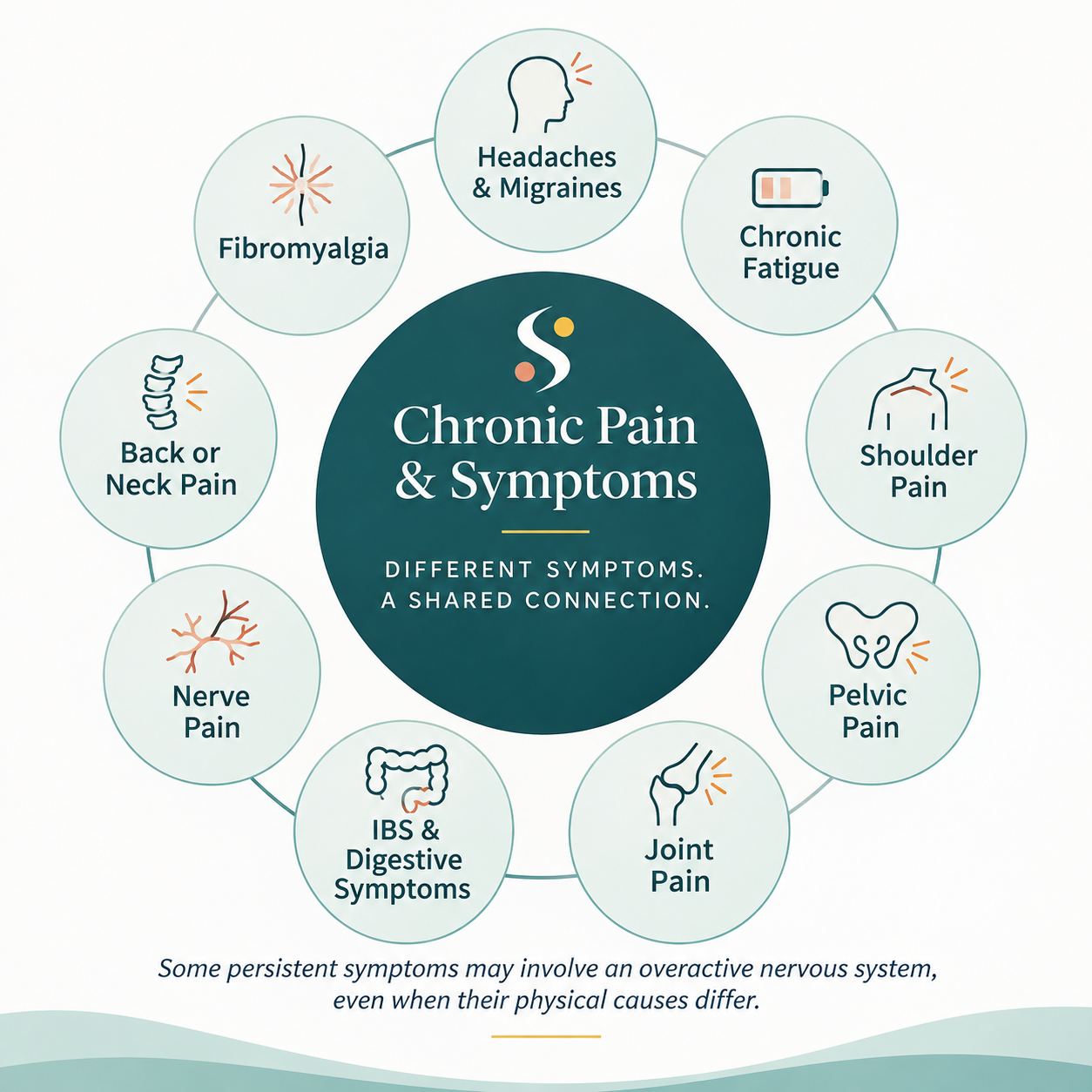
Pain Reprocessing Therapy is based on a growing understanding of neuroplastic pain—pain that can continue even after an injury has healed or when there is no ongoing structural cause that fully explains the symptoms.
This does not mean the pain is imaginary or "all in your head."
The pain is real. But in some cases, the brain and nervous system have learned to interpret safe signals from the body as dangerous, triggering pain as a protective response.
PRT uses a combination of education, mindfulness-based techniques, somatic tracking and emotional awareness to help the brain recognize that these sensations are safe. Over time, this can help reduce the brain's alarm response and break the pain-fear cycle.
Your brain learned pain. It can learn safety, too.Notice Familiar Patterns
PRT helps you begin changing your relationship with pain through three important steps:
-
Learn how the brain and nervous system can create and reinforce chronic pain—and why understanding where pain comes from can be an important part of changing it.
-
Your nervous system is designed to protect you by watching for danger.
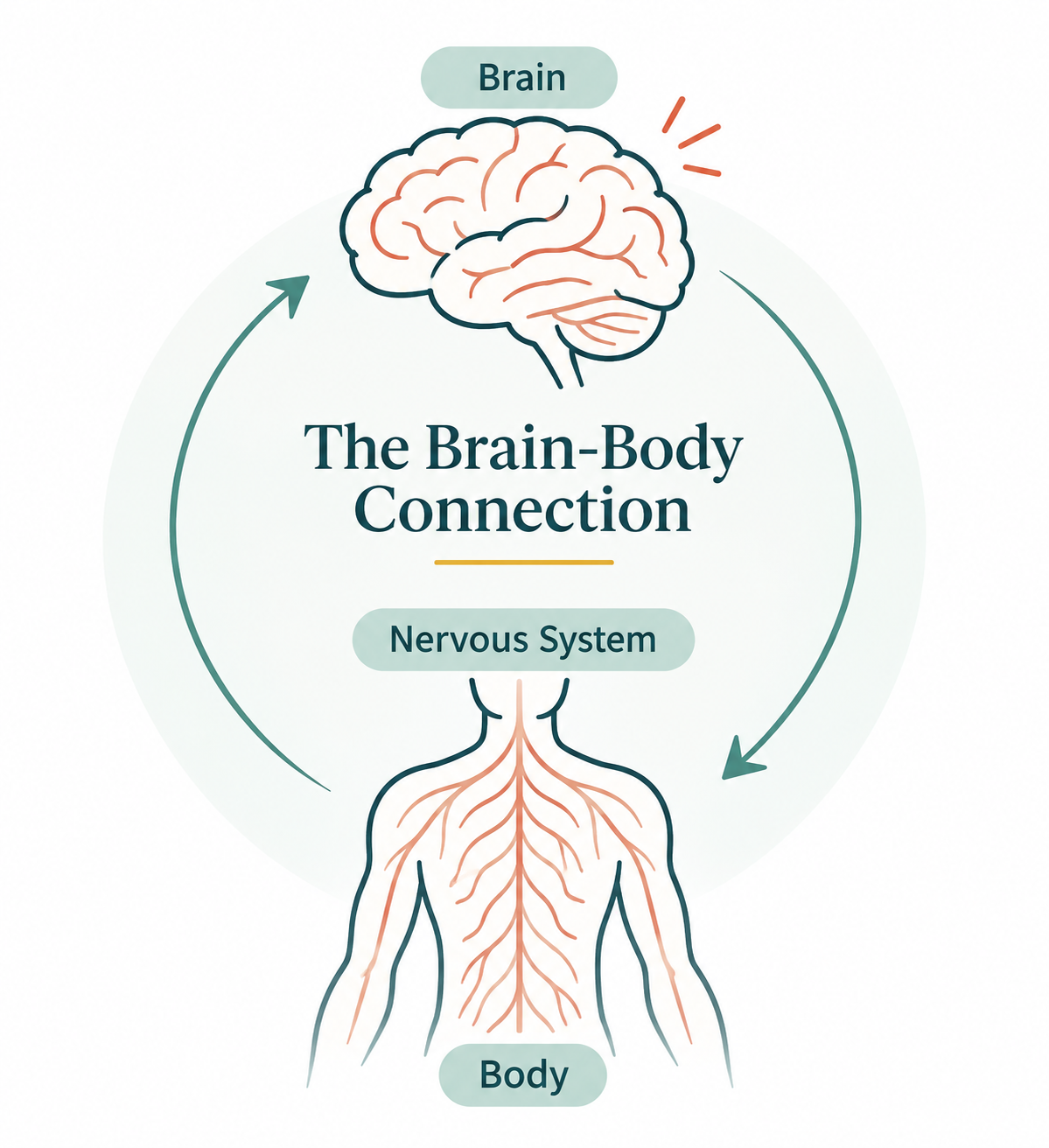
After an injury, illness, or prolonged period of stress, your nervous system can sometimes remain on high alert, even when the original threat has passed.
When this happens, the brain may continue producing pain signals despite the absence of ongoing tissue damage.
The pain is real, but the brain may be interpreting certain sensations as dangerous when they are actually safe.
Pain Reprocessing Therapy helps you recognize these patterns and learn techniques that may reduce the brain's protective pain response.
-
As fear around pain decreases, you can begin building confidence in your body and returning to activities you may have avoided because of pain.
No surgery. No injections. A drug-free, evidence-based approach to chronic pain.
Learn More About Pain Reprocessing Therapy
One of the most significant studies of PRT, the Boulder Back Pain Study, examined adults experiencing chronic back pain.
Following treatment, 66% of participants receiving PRT were pain-free or nearly pain-free, compared with 20% receiving placebo treatment and 10% receiving usual care. Researchers also found that many of those improvements were maintained one year later.
The findings offer promising evidence that changing how the brain processes pain can produce meaningful improvement for some people experiencing chronic pain.
Watch a segment exploring a drug-free treatment approach for chronic back pain.
Learn more about neuroplastic pain and the role of the brain and nervous system.
For Healthcare Professionals
Are you a healthcare provider interested in learning more about Pain Reprocessing Therapy or exploring whether it may be appropriate for your patients? Contact Synergy Wellbeing to discuss our approach and potential referrals. Contact: 918-749-1840
Your experience will be individualized based on your symptoms, history and goals. There isn't a one-size-fits-all approach.
What does PRT look like?
-
Initial assessment
We’ll talk about your pain history, symptoms, previous treatments, and how pain is affecting your daily life to determine whether PRT may be a good fit.
-
Understanding the pain
You’ll learn how the brain can create and reinforce chronic pain, and how fear and avoidance can keep those pathways active.
-
Reprocessing pain
Using techniques such as somatic tracking, we’ll help your nervous system respond to sensations with greater safety while also exploring stress or emotional factors that may be contributing to the pain cycle.
-

Returning to life
As your brain begins responding differently to pain signals, we’ll work toward helping you feel safer and more confident returning to the activities pain may have kept you from doing.
Common questions about PRT
-
No. Your pain is real. PRT doesn't suggest otherwise. Instead, it recognizes that all pain involves the brain's interpretation of signals from the body. For some types of chronic pain, the brain's protective system can remain activated even when there is no longer an ongoing physical threat.
-
PRT is specifically designed to address chronic pain. Therapy focuses on understanding the brain's pain response and changing the fear, attention and behavioral patterns that may be reinforcing it.
-
We recommend having your symptoms medically evaluated so that appropriate structural or medical causes can be identified or ruled out. PRT is intended primarily for pain believed to have a neuroplastic or centralized component.
-
Yes. PRT is available through telehealth for clients located in Oklahoma, making it possible to participate from home.
-
Synergy Wellbeing accepts many major insurance plans. Coverage varies by plan, so our team can help you determine your benefits before your first appointment.
You don't have to build your life around pain.
After months or years of chronic pain, it's understandable to become cautious about movement, activities or situations that might make it worse.
Pain Reprocessing Therapy offers a different possibility: helping your brain and body rediscover a sense of safety.
If chronic pain has kept you from living the life you want, we'd love to talk with you about whether PRT may be a good fit.
Ready to live your life better?